


Gum Disease Treatment in Yamanto
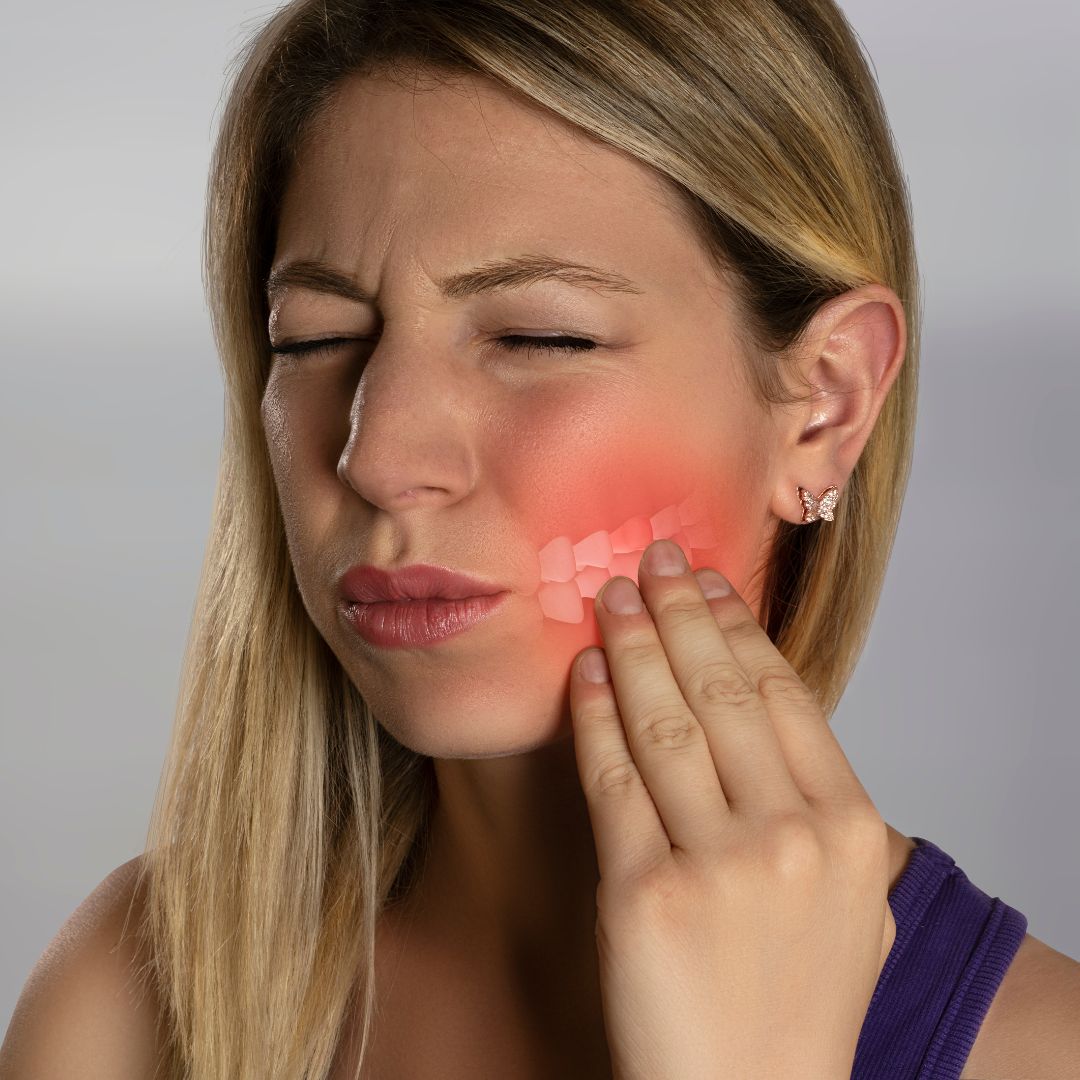
Pain from your gums may be related to Periodontal Disease or Gingivitis, more commonly known as gum disease. The difficulty with periodontal disease in a lot of cases is that you won’t feel any pain until it is too late!
Periodontal disease is caused by a number of factors, but results in the supporting structures around your teeth disintegrating (your gums and jawbone), leaving gaps between your teeth underneath your gums, and eventually cause your teeth to become loose and move around. Smoking, diabetes, bacteria and some genetic links can contribute to periodontal disease, but it can occur to anyone no matter how healthy they are, or clean they keep their teeth. We recommend regular check-ups to ensure no periodontal disease has occurred, and if found we can help identify the cause and prevent it from getting worse. This will ensure your teeth are solid and stable for a long time!
Could You Have Gum Disease?
Causes and risk factors
- Poor oral hygiene
- Smoking or vaping
- Medical conditions such as diabetes
- Genetics and family history
- Hormonal changes (e.g. pregnancy, menopause)
- Stress and certain medications
Signs and symptoms
- Gums that bleed when brushing or flossing
- Red, swollen or tender gums
- Persistent bad breath or a bad taste in the mouth
- Gum recession or teeth that appear longer
- Loose or shifting teeth
- Pain when chewing
Periodontal Disease Treatment
Treatment depends on the stage and severity of the disease:
Non-Surgical Treatments
- Scaling and Root Planing (Deep Cleaning): Removes plaque and tartar below the gumline and smooths root surfaces to encourage healing.
- Antibacterial Therapy: Medicated rinses or gels may be used to control bacteria.
Surgical Treatments (for advanced cases)
Advanced gum disease sometimes needs surgical treatment. If this is the case, we’ll refer you to a trusted specialist periodontist and continue to support your ongoing care.
- Flap Surgery: Gums are lifted for deeper cleaning and then repositioned.
- Bone Grafts / Guided Tissue Regeneration: Encourage regrowth of lost bone and tissue.
- Gum Grafts: Replace receded gum tissue to protect roots and improve appearance.
Maintenance Phase
After active treatment, ongoing periodontal maintenance is crucial. Patients typically need professional cleaning every 3–4 months to keep gum disease under control.
Left untreated, gum disease can lead to loose teeth and tooth loss. If teeth are lost, we can talk you through options such as dental implants, bridges and dentures. Nervous about treatment? Read about our sedation options for anxious patients.
Frequently Asked Questions
About Periodontal Disease
When should I seek treatment?
You should seek dental care if you experience any of the symptoms above. Early treatment can prevent irreversible damage. Untreated gum disease may lead to:
- Tooth loss
- Bone loss in the jaw
- Increased risk of systemic health issues
How is Periodontal Disease diagnosed?
At Tranquility Dentistry, diagnosis may include:
- A comprehensive gum examination (checking for bleeding, swelling, or gum recession)
- Periodontal probing – measuring the depth of pockets around teeth
- Dental X-rays – to detect bone loss
What are the complications of untreated Gum Disease?
Without treatment, periodontal disease can cause:
- Tooth loss
- Jawbone deterioration
- Gum recession and sensitivity
- Links to systemic conditions such as: Diabetes, Cardiovascular disease or Pregnancy complications
How can I prevent getting Periodontal Disease?
- Brush and floss daily
- Visit the dentist every 6 months for a check-up and professional clean
- Schedule more frequent visits if you are at higher risk
- Maintain healthy lifestyle habits to support gum health
Is Periodontal Disease reversible?
Gingivitis (early gum disease) is reversible with proper care. Advanced periodontitis cannot be fully reversed, but it can be controlled to prevent further damage.
Does gum disease always cause pain?
Not always. Many people don’t feel pain until the disease is advanced, which is why regular dental visits are essential.
Can gum disease come back after treatment?
Yes. Without proper oral hygiene and regular maintenance, periodontal disease can return.
What is the difference between a regular dental clean and periodontal treatment?
A standard clean removes plaque and tartar above the gumline. Periodontal treatment cleans deeper, below the gums and along the roots of the teeth.
Are there links between gum disease and overall health?
Yes. Studies show associations between periodontal disease and conditions like diabetes, heart disease, and pregnancy complications.
When should I see a periodontist?
If gum disease is advanced or not responding to general dental care, your dentist may refer you to a specialist periodontist.