
Fissure Seals for Kids in Yamanto
Around the age of six, children’s first permanent molars begin to emerge. These back teeth, although strong, have deep grooves on the chewing surface known as fissures. These natural pits and grooves can easily trap food particles, plaque, and bacteria—making them particularly vulnerable to early decay.
Young children often struggle to brush effectively, especially at the back of their mouths. Fast or inconsistent brushing makes it difficult to thoroughly clean these molars. Unfortunately, if decay sets in at this stage, it can lead to cavities in adult teeth that must last a lifetime.
At Tranquility Dentistry in Ipswich, we recommend the use of high-quality fissure sealants—a simple, pain-free, and highly effective way to protect these teeth during your child’s critical developmental years.
What Are Fissure Seals?
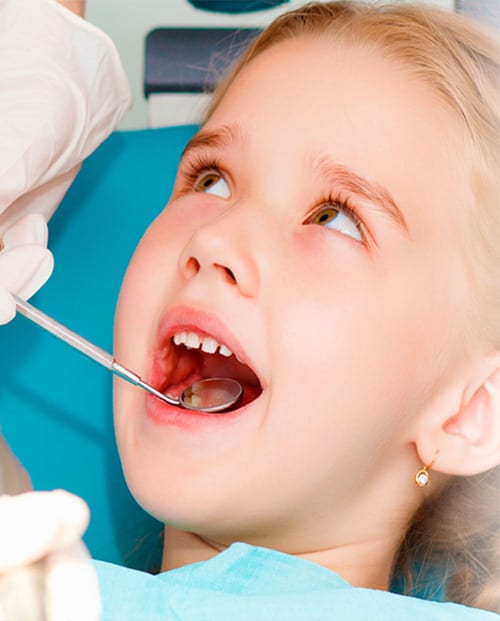
Fissure seals are a protective coating made from a tooth-coloured resin material that is applied to the deep grooves of the molars. This coating fills the fissures and forms a smooth, shielded surface, making the teeth easier to clean and much less likely to develop cavities.
Seals are completely non-invasive, don’t require drilling, and can be applied quickly during a routine check-up. The entire process is comfortable, making it ideal for children—even those who may be nervous about dental visits.


Why Are Fissure Seals Important?
- Prevent Cavities Before They Start: Research shows fissure sealants can significantly reduce the risk of decay in the chewing surfaces of back teeth.
- Ideal for Young Smiles: The earlier we apply sealants, the better we can protect your child’s teeth as they learn lifelong oral hygiene habits.
- Cost-Effective Preventive Care: Sealants are significantly cheaper than fillings, crowns, or more complex treatments required for decayed teeth.
- Pain-Free Application: There are no needles or drilling involved—just a quick clean and seal process.
When Should My Child Get Fissure Seals?
Children should have their teeth assessed as soon as their first adult molars come through—typically between the ages of 6 and 8, and again when their second adult molars appear, usually around 11 to 14 years.
At Tranquility Dentistry, we recommend bringing your child in for regular six-monthly dental check-ups from an early age (we recommend a first visit by their first birthday or when their first tooth appears) so we can monitor the development of their teeth and determine the best timing for preventive treatments like fissure seals.
Fissure seals are covered under the Child Dental Benefits Schedule (CDBS) for eligible children. Contact us with your child’s Medicare details and we’ll check whether they qualify. Learn more on our children’s dentistry page, or read about tooth-coloured fillings if decay has already started.

Frequently Asked Questions
About Fissure Seals
How Long Do Fissure Seals Last?
Fissure sealants can last several years—often up to 5 to 10 years, depending on your child’s oral habits and diet. Our team will check the condition of seals during routine visits and reapply them if needed to ensure ongoing protection.
What are the benefits of fissure seals compared to fillings?
Fissure seals help prevent decay before it starts, whereas fillings are used to treat cavities after damage has occurred. Seals are non-invasive, pain-free, and cost-effective, while fillings may require drilling and local anaesthetic. At Tranquility Dentistry in Ipswich, we focus on preventive care—applying fissure seals early helps protect your child’s teeth and reduce the need for future dental treatments.
How are fissure seals applied to children’s teeth?
The process is quick, simple, and completely pain-free:
The tooth is cleaned and dried.
A safe bonding agent is applied.
The seal resin is placed into the fissures.
A special curing light hardens the material.
The bite is checked and adjusted if necessary.
Are dental seals safe for kids?
Yes, fissure seals are completely safe for children. They are made from a BPA-free resin material used globally in paediatric dentistry. The application is non-invasive and doesn’t involve drilling or anaesthetic. At Tranquility Dentistry Ipswich, we regularly apply seals as part of preventive dental care for kids as young as six years old.
Can my child still get cavities if they have fissure seals?
While fissure seals significantly reduce the risk of decay, they don't make teeth completely immune to cavities. It’s still essential to maintain good brushing and flossing habits, eat a balanced diet, and attend regular dental visits. Seals work best as part of a complete preventive dental care plan.
What foods should my child avoid after getting seals?
Although your child can eat normally after the procedure, it’s best to limit sticky or very hard foods like toffees, gummy lollies, or ice cubes. These can wear down or dislodge the sealant material over time. Our Ipswich dentists will provide aftercare tips tailored to your child’s needs at your appointment.