
Snoring and Sleep Apnoea Treatment in Yamanto
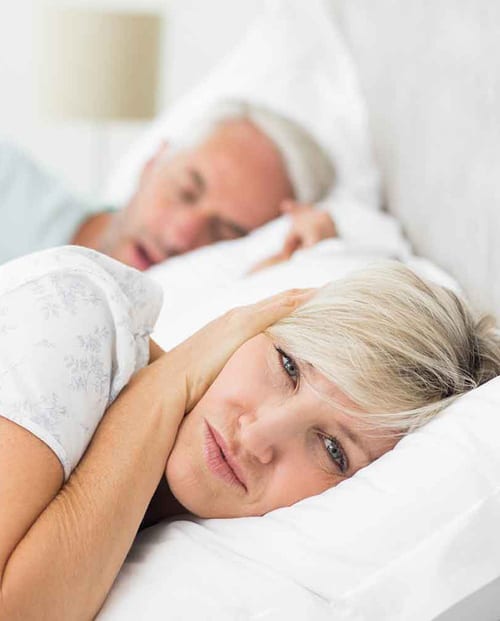
Snoring usually isn’t a massive issue for you, until a significant other kicks you out of the bed! What most people don’t realise is that snoring could be a sign of a condition known as Sleep Apnoea, where your breathing quality reduces or even stops while you are asleep. Although you may not notice this, sleep apnoea has been linked to a higher risk of many conditions including heart disease, diabetes, blindness… the list goes on. Simply put, your body is not receiving enough oxygen while you sleep, therefore you sleep poorly, and that much-needed rest and recovery time is not occurring.
The important thing to note is a slow decrease in sleep quality is not often noticed, as you would not be aware of what ‘normal’ sleep is anymore. Sometimes you don’t wake up fully at night, but you don’t fall into the nice deep sleep you need for a long time. Sometimes you feel sleepy still after a good 8 hours in bed, but that’s not too alarming. Or maybe at the end of the day you feel like a nap, but is that a worry? And your snoring is getting worse, or was it just the position you were sleeping in?
The only way to diagnose sleep apnoea is with a sleep study, usually at a sleep clinic. Luckily for you, the test involves simply falling asleep! If you are diagnosed with sleep apnoea, the treatment will help you have refreshing sleep, give you more energy through the day, and improve your overall health. As a friend of mine told me, ‘I never knew I was sleeping badly until I slept well’.
If you feel like you aren’t refreshed even after a decent time asleep, or you have had complaints of snoring, please let us know at your check up and we can organise to help you.
Signs of Sleep Apnoea
You may not notice these yourself, but your partner might. Common signs include:
- Loud, regular snoring
- Pauses in breathing, gasping or choking during sleep
- Waking unrefreshed, even after a full night’s sleep
- Daytime sleepiness or needing a nap
- Morning headaches or a dry mouth
- Poor concentration, irritability or low mood
- Waking often to go to the bathroom
- Teeth grinding at night

How a Dentist Can Help With Snoring
Dentists are often the first to notice signs linked to sleep-disordered breathing, such as teeth grinding, a narrow airway or large tonsils. If we think you may be at risk, we’ll help you organise the next steps.
The only way to diagnose sleep apnoea is with a sleep study, arranged through your GP or a sleep physician. Luckily, the test simply involves falling asleep!
Once you have a diagnosis, we can work alongside your doctor on treatment. For some people with snoring or mild to moderate sleep apnoea, a custom oral appliance can be an effective option.
Oral Appliances for Snoring and Sleep Apnoea
A mandibular advancement splint is a custom-made appliance worn at night. It gently holds the lower jaw slightly forward, helping keep the airway open and reducing snoring. Unlike store-bought devices, a custom appliance is made from an accurate impression of your teeth and adjusted over time for comfort and effectiveness.
CPAP is generally the first-line treatment for moderate to severe sleep apnoea, and your sleep physician will advise which treatment is best for you. Lifestyle changes such as limiting alcohol in the evening, quitting smoking and sleeping on your side can also help.

Why Sleep Quality Matters
When your breathing is disrupted at night, your body doesn’t get the oxygen and deep rest it needs. Sleep apnoea has been linked to high blood pressure, heart disease, stroke, type 2 diabetes and accidents caused by fatigue.
Because sleep quality usually declines slowly, many people don’t realise how poorly they’ve been sleeping. As one patient put it, “I never knew I was sleeping badly until I slept well.”
If you snore or wake up tired, mention it at your next check-up at our Yamanto clinic. We help patients from Ipswich, Raceview, Flinders View, Ripley, Springfield, Amberley, Brassall and surrounding suburbs.
Frequently Asked Questions
About Snoring and Sleep Apnoea
What is obstructive sleep apnoea?
Obstructive sleep apnoea (OSA) is a condition where the airway partly or fully collapses during sleep, reducing or stopping breathing for short periods. This lowers oxygen levels and disrupts sleep, often without the person realising. Snoring is one of the most common signs.
Is snoring a sign of sleep apnoea?
Not always, but loud, regular snoring can be a warning sign, especially if it comes with pauses in breathing, gasping or choking during sleep, or tiredness during the day. If you snore, it is worth mentioning at your next check-up.
What are the symptoms of sleep apnoea?
- Loud snoring
- Pauses in breathing or gasping during sleep (often noticed by a partner)
- Waking unrefreshed, even after a full night in bed
- Daytime sleepiness or needing a nap
- Morning headaches or a dry mouth
- Poor concentration, irritability or low mood
- Waking frequently to use the bathroom at night
Why is sleep apnoea a health concern?
When your body does not receive enough oxygen while you sleep, it cannot rest and recover properly. Sleep apnoea has been linked to a higher risk of high blood pressure, heart disease, stroke, type 2 diabetes and accidents caused by fatigue.
How is sleep apnoea diagnosed?
Sleep apnoea can only be diagnosed with a sleep study, either at a sleep clinic or with a home-based study. Luckily, the test simply involves falling asleep! We can help organise the next steps if we think you may be at risk.
Can a dentist help with snoring and sleep apnoea?
Yes. Dentists are often the first to notice signs such as grinding, a narrow airway or large tonsils. We can help arrange assessment and, once you are diagnosed, work with your doctor or sleep physician on treatment, which may include a custom oral appliance.
What is a mandibular advancement splint?
A mandibular advancement splint (MAS) is a custom-made oral appliance worn at night. It gently holds the lower jaw slightly forward, helping keep the airway open to reduce snoring and mild to moderate sleep apnoea. It must be custom-fitted and adjusted for comfort and effectiveness.
Is an oral appliance an alternative to CPAP?
For some people with snoring or mild to moderate sleep apnoea, an oral appliance can be an effective alternative. CPAP is generally the first-line treatment for moderate to severe sleep apnoea. Your sleep physician will advise which treatment is right for you after your sleep study.
Are store-bought anti-snoring devices effective?
Over-the-counter devices are not custom-fitted, can be uncomfortable and may move the jaw incorrectly or damage teeth. They can also mask symptoms of sleep apnoea without treating it. We recommend a proper assessment before using any snoring device.
Do I need a referral for a sleep study?
Sleep studies are usually arranged through your GP or a sleep physician. If you mention snoring or tiredness at your check-up, we can help you understand the next steps and work alongside your doctor.
Can children have sleep apnoea?
Yes. In children, signs can include snoring, mouth breathing, restless sleep, bedwetting, daytime tiredness, behaviour changes and difficulty concentrating. Enlarged tonsils and adenoids are a common cause. Let us know if your child snores regularly.
Is teeth grinding linked to sleep apnoea?
There can be a connection. Teeth grinding at night is sometimes associated with disturbed breathing during sleep. If you grind and also snore or wake unrefreshed, we may recommend further investigation.
What lifestyle changes can help reduce snoring?
Maintaining a healthy weight, limiting alcohol in the evening, quitting smoking, sleeping on your side and treating nasal congestion can all help reduce snoring. However, they are not a substitute for diagnosis if sleep apnoea is suspected.
How long does an oral sleep appliance last?
A well-made appliance usually lasts several years with good care. Regular reviews let us check the fit, make adjustments and monitor your teeth and jaw.
Are there side effects from oral sleep appliances?
Some people notice mild jaw tenderness, extra saliva or a change in how their teeth meet first thing in the morning. These usually settle. We monitor your bite at review appointments to keep you comfortable.
Does health insurance cover snoring appliances?
Health fund rebates vary depending on your fund and level of cover. We accept all health funds and can claim on the spot with HICAPS. Payment plans are also available (subject to approval).
I sleep 8 hours but still feel tired. Could it be sleep apnoea?
It could be. Many people with sleep apnoea do not realise how poorly they are sleeping, because the change happens gradually. As one patient put it, “I never knew I was sleeping badly until I slept well.” Let us know at your check-up.
Can snoring affect my partner’s health?
Yes. Loud snoring often disrupts a partner’s sleep too, which can leave both of you tired. Addressing snoring can improve sleep quality for the whole household.
Where can I get help for snoring near Ipswich?
Tranquility Dentistry is at Shop 7, 428 Warwick Road, Yamanto, close to Raceview and Flinders View. We see patients from Ripley, Deebing Heights, Amberley, Willowbank, Springfield, Redbank, Brassall, Karalee and across the Ipswich region.
How do I book an appointment about snoring?
Call (07) 3060 4724, email info@tranquilitydentistry.com.au or book online. You can also simply mention snoring or tiredness at your next check-up and we will help organise the next steps.