


Wisdom Teeth Extraction in Yamanto
A left-over from millennia past, just like our appendix, wisdom teeth used to serve us well when we needed more teeth to grind our tough, plant-based or untenderised foods. Now that we have smaller jaws and have gentler diets, often our wisdom teeth don’t fit and sometimes collide with their neighbours, known as impaction. This can cause infection and pain, or in some cases, they can even dissolve the teeth in front of them.
Again like our appendix, not everyone needs their wisdom teeth removed. However, if your wisdom teeth are in a bad position, or ever give you trouble, they could get very painful at any time in the future (usually at the worst possible time, like on holiday or when you’re really stressed). Even worse, they can destroy the perfectly good (and useful) tooth in front. We always recommend letting us know of any symptoms you experience, and monitoring the condition of your wisdom teeth regularly. Although wisdom teeth extraction can cause a bit of grief while they heal, having them removed has two benefits – you can plan when they are removed (take some time off work to recover) rather than having pain at an inopportune time, and once they’re out and healed, the potential for issues is gone!
What to Expect During and After Your Wisdom Teeth Extraction
We want you to feel fully informed and confident before your appointment. Here’s a step-by-step outline of what your wisdom tooth removal journey looks like at Tranquility Dentistry:
1. Comprehensive consultation and 3D imaging
Your visit begins with an in-depth consultation where we assess your symptoms, take x-rays and 3D images and determine whether your wisdom teeth are erupted or impacted. This allows us to create a safe, precise treatment plan tailored to you.
2. A comfortable procedure
Before we begin, the area is thoroughly numbed. If you choose sedation, it will be given once you’re ready and comfortable. Your dentist then carefully and gently removes the tooth. Impacted teeth may be removed in sections for a smoother, less invasive procedure.
3. Support after your appointment
After the extraction, we’ll go through your aftercare instructions and answer any questions about food, pain relief or activity. Our team is here to support you every step of the way.
4. Healing and follow-up
Most patients feel better within a few days, with complete recovery typically over one to two weeks. If you need us at any stage, our friendly team is only a call away.
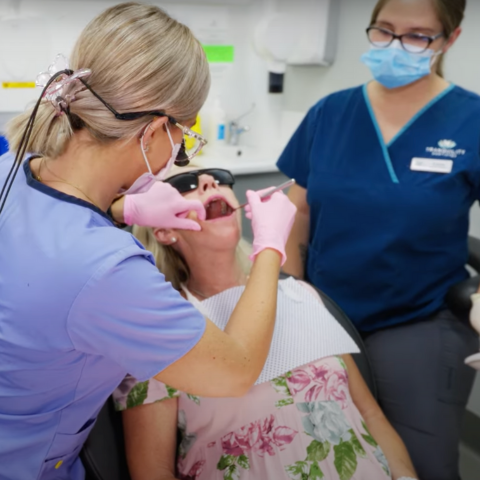
Why Choose Tranquility Dentistry for Your Wisdom Teeth Removal?
At Tranquility Dentistry, we understand that wisdom tooth removal can feel daunting — especially if you’ve never experienced a surgical dental procedure before. Our team is here to make the entire process as calm, gentle and stress-free as possible.
Here’s why so many Ipswich and Yamanto families trust us with their wisdom teeth care:
A Calming, Patient-Centred Experience
Our practice is built around creating a soothing environment for anxious or nervous patients. From the way we communicate to the way we pace each appointment, your comfort always comes first.
Skilled and Experienced Clinicians
Our dentists have extensive experience managing both simple and complex wisdom teeth extractions. Whether your teeth are fully erupted or impacted below the gum or bone, we use modern techniques designed to minimise discomfort and support healthy healing.
Sedation Options Available
If you are worried or have dental anxiety, we offer a range of sedation options to help you feel relaxed and in control throughout your procedure. Your dentist will talk you through each option and help you choose what suits you best.
Transparent Pricing & Flexible Payment Plans
We believe in clear, upfront treatment planning. You’ll receive a detailed cost breakdown before your procedure, with access to flexible payment options such as Zip Pay, Afterpay and DentiCare to help make treatment more manageable.
Supportive, Personalised Aftercare
Your recovery matters. We’ll give you personalised aftercare instructions, check-in guidance, and follow-up support to help ensure a smooth, comfortable healing period.
Need a different tooth removed? See our tooth extraction page, or visit sensitivity and pain for other causes of tooth and jaw pain.
Risks, Benefits & When Removal Is Recommended
Common risks and how we minimise them
Wisdom teeth don’t always need to be removed, but in many situations early treatment prevents significant long-term problems. As with any surgical procedure, risks may include swelling, bleeding, infection or dry socket. We minimise these risks by using modern techniques, giving clear aftercare instructions and making sure you know exactly how to care for your mouth at home.
Benefits of removing problematic wisdom teeth
- Prevents recurrent infection or gum inflammation
- Reduces crowding and protects neighbouring teeth
- Avoids cyst formation around impacted teeth
- Eliminates ongoing pain or pressure in the jaw
- Helps avoid emergency surgery later on
You may need your wisdom teeth removed if they are:
- Causing pain or swelling
- Repeatedly infected (pericoronitis)
- Growing at an angle
- Damaging nearby teeth
- Causing decay because they’re hard to clean
- Impacted below the gum or bone
- Creating cysts or contributing to jaw problems
Frequently Asked Questions
About Wisdom Teeth Removal
Is wisdom tooth removal painful?
No. With modern numbing techniques and optional sedation, wisdom teeth removal is designed to be a comfortable, pain-free procedure. You may feel pressure, but you should not feel pain. After the procedure, we’ll guide you through managing any mild discomfort with appropriate care and medication.
How long does recovery take?
Most patients feel significantly better within 2–3 days, with full healing taking 1–2 weeks. Following our aftercare instructions closely — especially in the first 48 hours — helps reduce swelling and improve comfort.
Do all wisdom teeth need to be removed?
Not always. If your wisdom teeth are healthy, fully erupted and easy to clean, we may recommend leaving them alone. However, impacted, painful, or partially erupted wisdom teeth often require removal to prevent future infection or damage.
What sedation options do you offer?
We offer multiple sedation options depending on your needs and level of anxiety. These may include nitrous oxide (happy gas) or oral sedation. We’ll discuss your options during your consultation to help you feel calm and confident.
How much does wisdom tooth removal cost?
The cost varies depending on how many teeth are removed, whether they are impacted, and the type of sedation used. You’ll receive a clear, itemised treatment plan before any procedure. Flexible payment plans are available through Zip Pay, Afterpay and DentiCare.
What are the signs that my wisdom teeth need to be removed?
Common signs include jaw pain, swelling, difficulty opening your mouth, bad taste, repeated infections, crowding, or pressure behind the back molars. If you’re experiencing any of these symptoms, we recommend booking an assessment.
How soon should I remove my wisdom teeth?
Extraction is often easier and recovery is quicker when done earlier — typically in the late teens or early 20s. However, adults of any age can have their wisdom teeth removed safely and comfortably at Tranquility Dentistry.
What should I eat after wisdom teeth removal?
We recommend soft, cool foods such as yoghurt, smoothies (without straws), mashed potatoes, scrambled eggs and soups. Avoid hot, spicy, or crunchy foods for the first few days to support proper healing.