

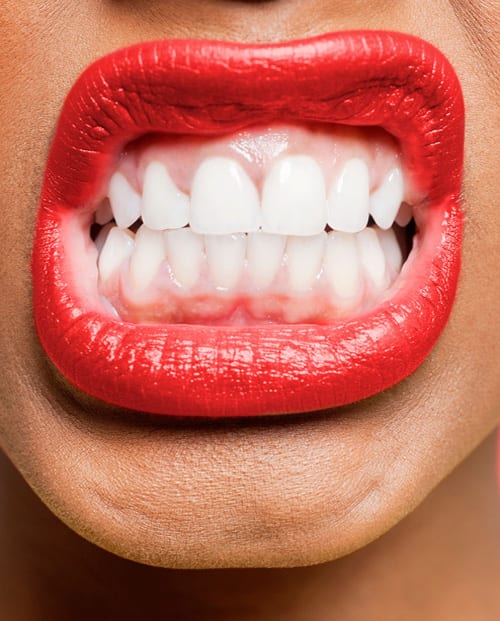
Teeth Grinding Treatment
Often associated with stress or muscle pain, teeth grinding and clenching (Bruxism) can be a very damaging condition, which may occur with minimal symptoms initially. If this is occurring at night, you may not be aware at all, however, it can lead to tooth fracture, muscle pain, limited mouth opening, headaches and locking or clicking jaws. However, it can also happen during the day, particularly when focusing on work, sitting at a desk, exercising, or while under stress.
At Tranquility Dentistry we want to ensure you never have to experience these painful or uncomfortable symptoms, so reviewing your tooth condition for signs of wear or cracks and your muscles and joints for evidence of bruxism is one of the important steps in your checkup.
If you ever notice these symptoms we urge you to let us know, as the treatment may be very affordable (or even free) and can avoid you experiencing issues in the future.
Signs You May Be Grinding Your Teeth
Many people grind at night without knowing. Common signs include:
- Waking with a sore jaw, tired face muscles or headaches
- Worn, flattened, chipped or cracked teeth
- Sensitive teeth
- Broken fillings or crowns
- Clicking, locking or difficulty opening your jaw
- Earache-like pain with no ear infection
- A partner hearing you grind at night
- Catching yourself clenching during the day

What Causes Teeth Grinding?
Bruxism often has more than one cause. Common triggers include:
- Stress, anxiety and concentration, such as working at a desk or driving
- Sleep disorders, including snoring and sleep apnoea
- Caffeine, alcohol and smoking
- Some medications
- An uneven bite
At every check-up, we look for signs of wear and cracks on your teeth and check your jaw muscles and joints, so we can pick up grinding early.
How We Treat Teeth Grinding
The most common treatment is a custom-made occlusal splint (night guard). It’s a thin, comfortable appliance made from an accurate impression of your teeth, so your teeth grind against the splint instead of each other. This protects your teeth and dental work and can reduce strain on your jaw muscles and joints.
Store-bought guards are bulky and don’t fit well, which can make them uncomfortable and sometimes make clenching worse. A custom splint is thinner, more comfortable and more effective.
We may also suggest simple ways to reduce your triggers, and repair any teeth that have been damaged, with fillings or crowns where needed.

Affordable Teeth Grinding Treatment in Ipswich
Left untreated, grinding can lead to cracked teeth, broken restorations, jaw joint problems and ongoing headaches. Treating it early is usually simple and very affordable, and in some cases free, especially compared with repairing damaged teeth later.
Health fund rebates vary depending on your fund and level of cover. We accept all health funds and claim on the spot with HICAPS.
If you notice any signs of grinding, let us know at your next visit. We help patients from Yamanto, Ipswich, Raceview, Flinders View, Ripley, Springfield, Redbank, Brassall and surrounding suburbs.
Frequently Asked Questions
About Teeth Grinding
What is teeth grinding (bruxism)?
Bruxism is the habit of grinding or clenching your teeth. It can happen while you sleep, when you may not be aware of it, or during the day, often when concentrating, exercising or under stress. Over time it can damage teeth and strain the jaw muscles and joints.
What causes teeth grinding?
Common causes and triggers include stress and anxiety, sleep disorders such as sleep apnoea, caffeine, alcohol, smoking, some medications and an uneven bite. Often there is more than one factor involved.
How do I know if I grind my teeth?
Signs include:
- Waking with a sore jaw, tired face muscles or headaches
- Worn, flattened, chipped or cracked teeth
- Tooth sensitivity
- Clicking, locking or limited opening of the jaw
- A partner hearing you grind at night
We check for signs of grinding at every check-up at our Yamanto clinic.
Can teeth grinding damage my teeth?
Yes. Grinding can wear teeth down, cause chips and cracks, break fillings and crowns, and lead to sensitivity. In severe cases, teeth can fracture and may need a crown, root canal or extraction.
Can teeth grinding cause headaches and jaw pain?
Yes. Grinding and clenching overwork the jaw muscles, which can cause morning headaches, facial pain, earache-like pain and problems with the jaw joint (TMJ), such as clicking, locking or difficulty opening.
How is teeth grinding treated?
The most common treatment is a custom-made occlusal splint or night guard, which protects your teeth and relaxes the jaw muscles. We may also suggest ways to reduce triggers, such as managing stress and limiting caffeine and alcohol, and treat any damaged teeth.
What is a night guard (occlusal splint)?
A night guard is a thin, custom-fitted appliance worn over your teeth while you sleep. It acts as a protective barrier so the teeth grind against the guard instead of each other, and can reduce strain on the jaw muscles and joints.
Is a custom night guard better than a chemist guard?
Yes. Store-bought guards are bulky and do not fit well, which can make them uncomfortable and sometimes worsen clenching. A custom guard is made from an accurate impression of your teeth, so it is thinner, more comfortable and more effective.
How much does a night guard cost in Ipswich?
Treatment for teeth grinding can be very affordable, and in some cases simple measures cost nothing at all. The cost of a custom splint depends on the type needed. We will give you a quote after your assessment, and we can process eligible claims on the spot via HICAPS.
Does health insurance cover night guards?
Health fund rebates vary depending on your fund and level of cover. We accept all health funds and can process your claim on the spot.
Can children grind their teeth?
Yes. Grinding is quite common in young children and often stops as adult teeth come through. We keep an eye on it at their check-ups and will advise if treatment is needed. See our children’s dentistry page.
Is teeth grinding linked to sleep apnoea?
There can be a link. Grinding at night is sometimes associated with disturbed breathing during sleep. If you snore, wake unrefreshed or feel tired during the day, let us know so we can help arrange further investigation.
Can stress cause teeth grinding?
Yes. Stress and anxiety are among the most common triggers for both daytime clenching and night-time grinding. Relaxation techniques, regular exercise and good sleep habits can help, alongside a night guard to protect your teeth.
How can I stop clenching during the day?
Try to notice when you clench, for example when working at a desk, driving or exercising. Keep your lips together and teeth slightly apart, relax your jaw, and set reminders if needed. Awareness is often the first step to breaking the habit.
Can Botox help teeth grinding?
Muscle-relaxing injections are sometimes used for severe cases of bruxism, but a custom splint is usually the first line of treatment as it directly protects the teeth. We will discuss the most suitable options for you.
How long does a night guard last?
A custom night guard often lasts several years, depending on how heavily you grind. Bring it to your check-ups so we can check the fit and look for wear.
How do I clean my night guard?
Rinse it after each use, brush it gently with a soft toothbrush and cool water, and store it dry in its case. Avoid hot water, which can warp it, and keep it away from pets.
What happens if teeth grinding isn’t treated?
Untreated grinding can lead to worn and cracked teeth, broken fillings, gum recession, jaw joint problems and ongoing headaches. Treating it early is usually simpler and much more affordable than repairing the damage later.
Where can I get treatment for teeth grinding near Ipswich?
Tranquility Dentistry is located at Shop 7, 428 Warwick Road, Yamanto. We help patients from Ipswich, Raceview, Flinders View, Deebing Heights, Ripley, Springfield, Redbank, Amberley, Willowbank, Brassall, Karalee and surrounding areas.
How do I book an appointment for teeth grinding?
Call (07) 3060 4724, email info@tranquilitydentistry.com.au or book online. Mention any headaches, jaw pain or grinding when you book so we can allow time to assess your teeth, muscles and jaw joints.